
Grand Theft Big OIL
by Sidney Plotkin & Bill Scheuerman
968 words
We were filling the tank (and emptying the wallet) when a guy in a pickup truck with a Trump sticker started complaining about the high price of gas. We told him the oil companies are making unholy profits but the price at the pump is just a fraction of what we’re really paying. Taxpayers give oil and gas companies billions, we said, and, we couldn’t resist, it’s much worse since Trump’s election. He didn’t believe us. So, here’s the story:
While many of us are cutting back on groceries, travel, health care and other necessities to pay almost five bucks a gallon for gas (more than $5/gallon in some states), oil companies are raking in mega bucks. According to the politically centrist publication, The Hill, since President Trump started the war with Iran the world’s eleven largest oil companies are earning about 30 million dollars every hour. That comes to $720 million a day or more than $5 billion every week. Feeling ripped off? You should, but the price you pay at the pump is only what you see and feel. A lot of your tax dollars go to Big Oil too.
For over a hundred years America’s oil companies received billions in direct subsidies from the federal government, and taxpayers paid the bill. Direct cash payments, tax cuts, generous depreciation allowances, reduced leasing costs to drill on federal land, are just some of the ways oil and gas companies make a profit at taxpayers’ expense. In fact, based on an Obama administration estimate, between 2005 and 2015 U.S. oil and gas producers received more than $46 billion in public assistance. Ordinary citizens pay taxes, not Big Oil. In 2025, for example, the three biggest domestic companies (ExxonMobil, ConocoPhillips and Chevron) paid a combined average rate of 6.1% to the U.S, less than one-third the 21% rate most middle and working-class Americans pay in taxes. But all these financial breaks aren’t enough for Big Oil. When Trump took office in 2024, they took a deeper dive into our wallets.
At an April 2024 private dinner meeting with the CEOs of large oil and gas companies at his Mar-a-Lago estate, candidate Trump promised to reward the industry if they donated a billion dollars to his campaign. According to a report in Common Dreams, the industry responded favorably. They gave about half the amount Trump wanted in traceable donations that included lobbying, advertising, and donations to other GOP candidates. There’s no record of how much “dark money” went to Trump through so-called philanthropic and social welfare groups that do not have to identify their donors and serve as go-betweens for SuperPACs, a practice commonly used by Big Oil and other corporate donors. Trump may or may not have gotten the full billion he wanted, but Big Oil reaped the rewards.
Trump’s “Big Beautiful Bill,” characterized by Collin Rees of Oil Change International, as “the largest-ever transfer of wealth from working families to the ultra-rich,” gave oil and gas companies another $70+ billion in tax subsidies through 2034; provided $250 billion more in taxpayer guaranteed loans; gave the companies a means to avoid the corporate minimum tax; reduced and terminated costly environmental protections, and abolished subsidies to competing forms of energy, which eventually included spending nearly $2 billion in taxpayer dollars to cancel offshore wind projects.
These 2025 offerings to the industry came on top of Trump’s 2017 Tax Cut and Jobs Act, legislation that gave oil and gas companies a 40% reduction in their tax bills and another $25 billion in tax windfall breaks. As of May 2026, experts conclude that subsidies to fossil fuel producers are now minimally between $31and $34.8 billion annually.
These costly direct subsidies are only part of the equation. Big Oil receives substantial indirect benefits too. Since environmental regulations increase the cost of production and cut into profit margins, Trump eviscerated 23 major environmental rules that reduced restrictions on fossil fuel production, an additional saving to the industry of $11.6 billion (and terrible costs to the health of living beings). He also reversed the government’s position that greenhouse gases produced by fossil fuels are responsible for global warming, freeing the industry to release more pollutants into the air.
The Trump administration claims cutting the regulations will save money. And they will, at least for fossil fuel producers. The rest of us, according to several studies, will pay with our health in the form of thousands of additional premature deaths and millions more asthma attacks. We’ll also pay with job losses due to layoffs in green manufacturing and higher gas and oil prices resulting from the stifling of green energy alternatives. The overall financial cost of Trump’s attack on environmental regulations, according to a University of Maryland study, could reach $1 trillion by 2035.
Oil and gas companies control a natural resource that’s fundamental to industrial society because technological progress, not oil executives, made it a necessity. Control of this basic resource is the foundation of Big Oil’s significant political and social power, and it is costing the planet and its population dearly.
It provides energy companies with billions in profits – between 2021 and 2023, for example, America’s five largest oil producers made more than $250 billion – and allows them to employ more than two million workers.
Joe Biden challenged Big Oil, “I don’t think the federal government should give handouts to Big Oil,” he said upon taking office. Not surprisingly, Big Oil prevailed. Now with the Trump administration giving the industry whatever it wants and spending billions to destroy competing sources of energy – wind and solar – the future for Big Oil’s stockholders is looking bright. But taxpayers are going to pay the bill.
Too bad so many of us don’t know the real story. Truth Social has too many other tales to tell.
~~~~~~~~~~~
Sidney Plotkin is Professor of Political Science and Margaret Stiles Halleck Chair of Social Sciences at Vassar College, Poughkeepsie.
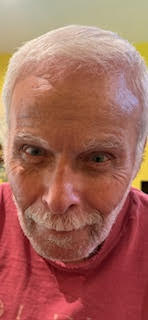
Bill Scheuerman is Professor Emeritus at SUNY Oswego and former President of the National Labor College.
peacevoice